
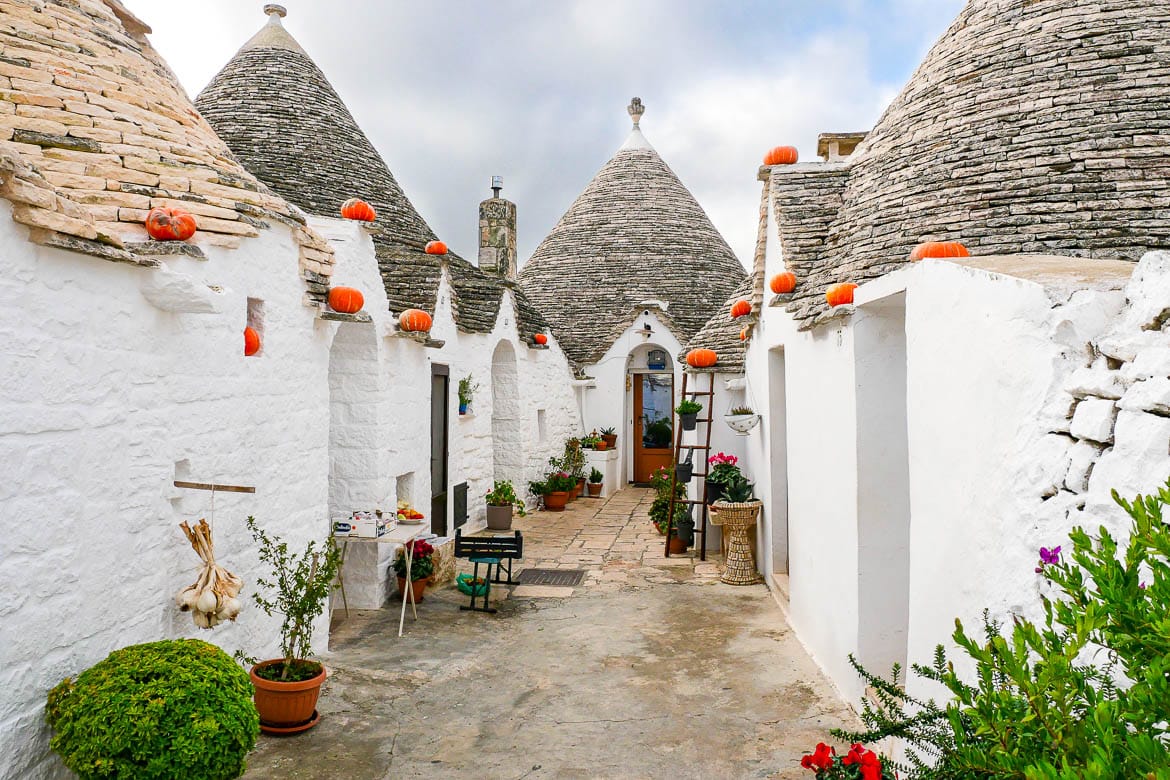
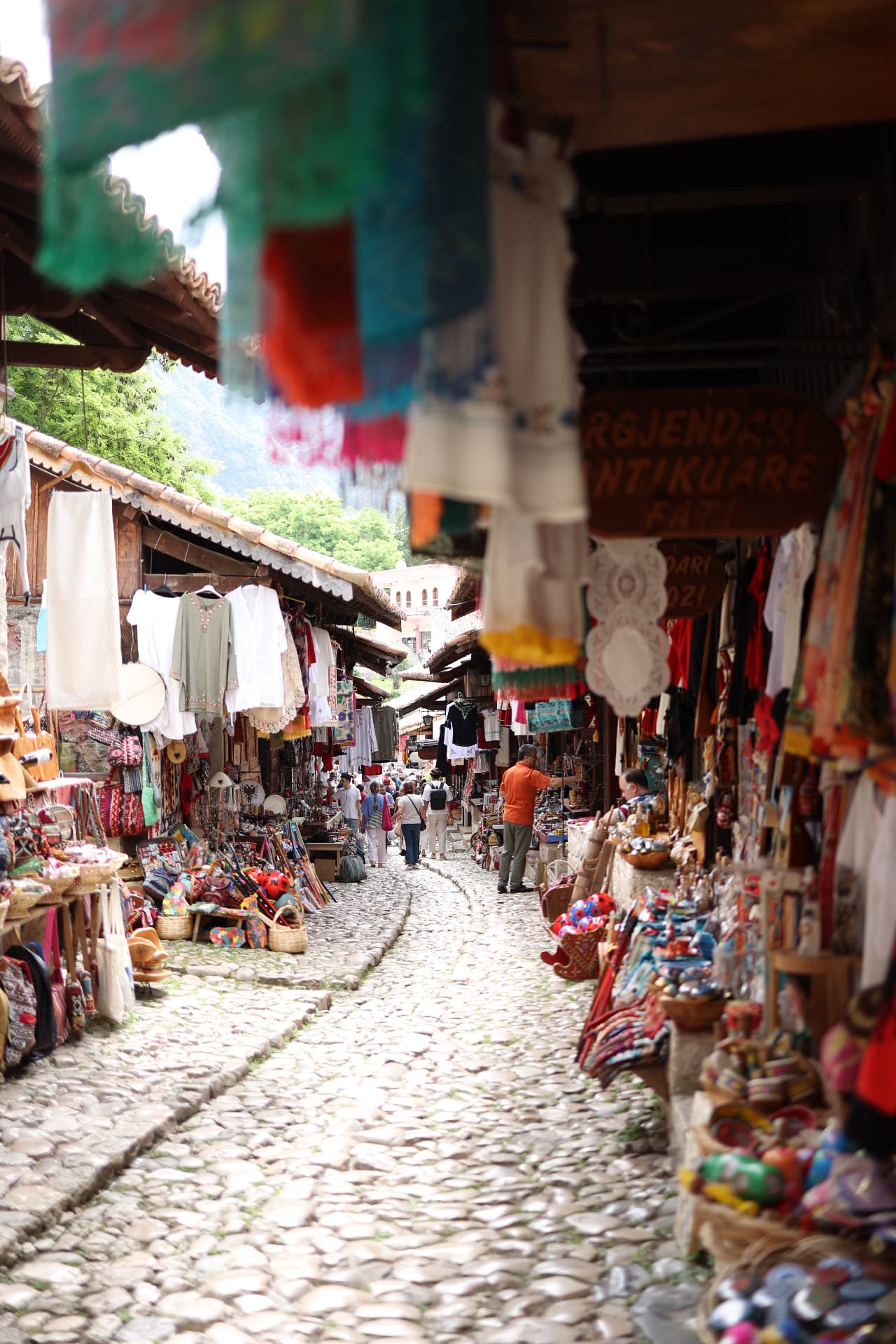
Planning a trip to Albania? Here you'll find practical information to help you prepare for your journey — from currency and connectivity to weather, driving and local customs. If you're travelling with Up Albania, we'll also provide the specific information you need for your itinerary before departure.
1. Getting to Albania
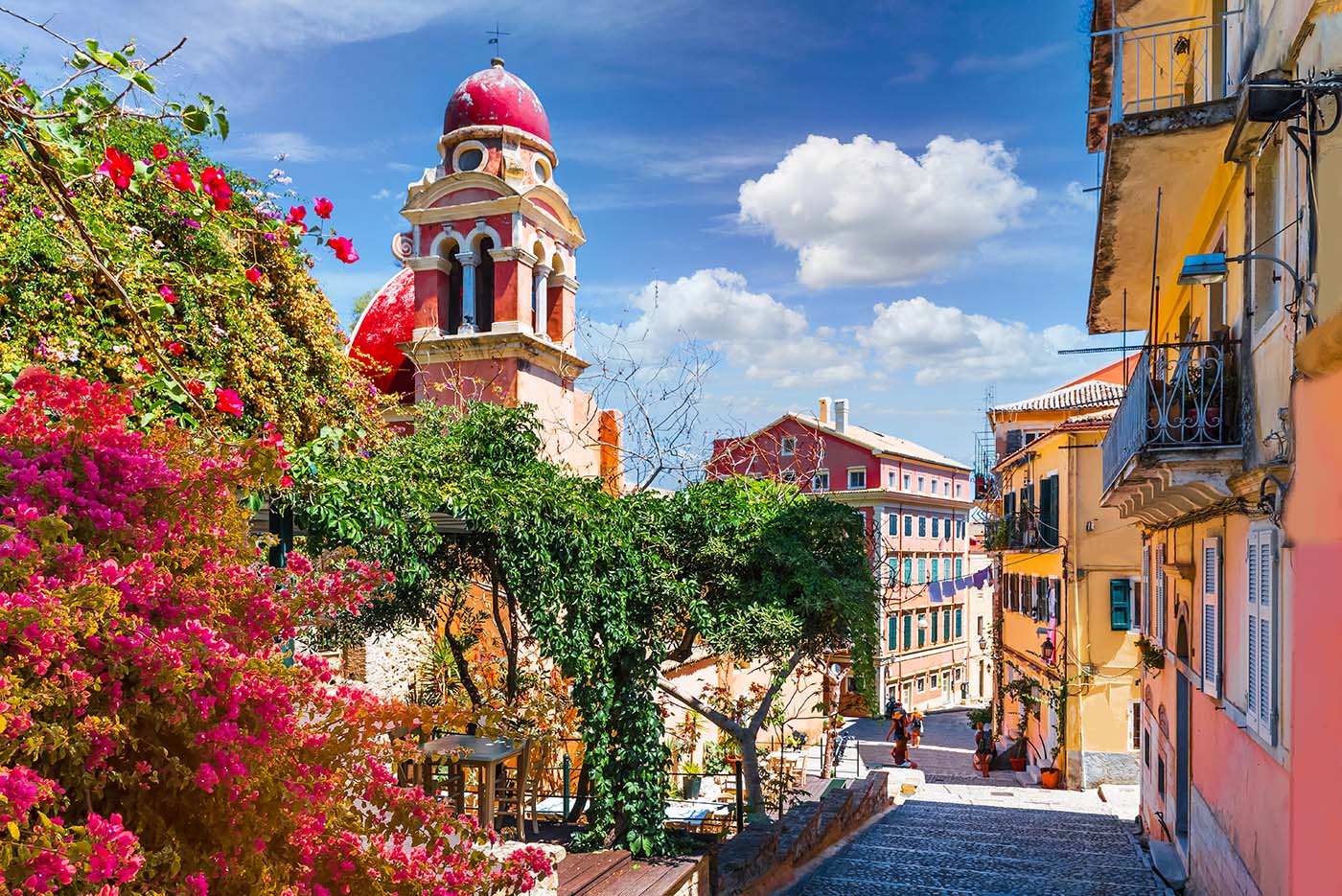
Most international travellers arrive through Tirana International Airport (TIA), around 30 minutes from central Tirana depending on traffic. Albania can also be reached by land from Montenegro, Kosovo, North Macedonia and Greece, making it easy to include as part of a wider Balkan journey. Ferry connections across the Adriatic and Ionian Seas also connect Albania with Italy, while Corfu provides a convenient connection with southern Albania via Saranda.
If your Up Albania itinerary includes airport, port or border transfers, the meeting details will be included in your final travel information.
2. Passports & Visas
Entry requirements for Albania depend on your nationality, passport and length of stay. Many international visitors can enter Albania without a visa for short tourist stays, while others may require a visa in advance. Albania's Ministry for Europe and Foreign Affairs publishes the current requirements by nationality. Because immigration rules can change, always check the latest official requirements before travelling.
Official Albania visa information
For travellers who require an Albanian electronic visa, the Ministry states that the official application website is e-visa.al and has specifically warned travellers about unauthorised visa websites.
For multi-country tours, remember that every country on your itinerary may have different entry requirements.
3. Currency & Payments
The official currency of Albania is the Albanian Lek (ALL). Cards are increasingly accepted in hotels, restaurants, supermarkets and larger businesses, particularly in cities and established tourist destinations. However, cash remains useful, especially in villages, mountain areas, small restaurants, guesthouses, markets and local businesses. ATMs are widely available in cities and larger towns.
We recommend travelling with a combination of card and some local cash rather than relying exclusively on one payment method. When travelling on a multi-country itinerary, currencies may change as you cross borders.
4. Getting Around Albania
Albania is a compact country, but landscapes and road conditions mean travel times can sometimes be longer than distances suggest. For multi-day travel, private transport or self-drive is generally the most convenient way to explore different regions, particularly when visiting rural areas, mountain villages and the coast. Main roads have improved considerably, while smaller mountain and rural roads can be narrower, winding or slower.
If you are travelling on one of our guided tours, transportation specified in your itinerary is organised for you. Self-drive travellers receive the relevant route and vehicle information as part of their travel documentation.
5. Weather & When to Travel
Albania has considerable climatic variety for a relatively small country. The coast and lowlands generally have a Mediterranean climate with hot, dry summers and milder winters, while the mountain regions are cooler and can experience significant seasonal changes. Spring and autumn are excellent for cultural touring, hiking and exploring different regions.
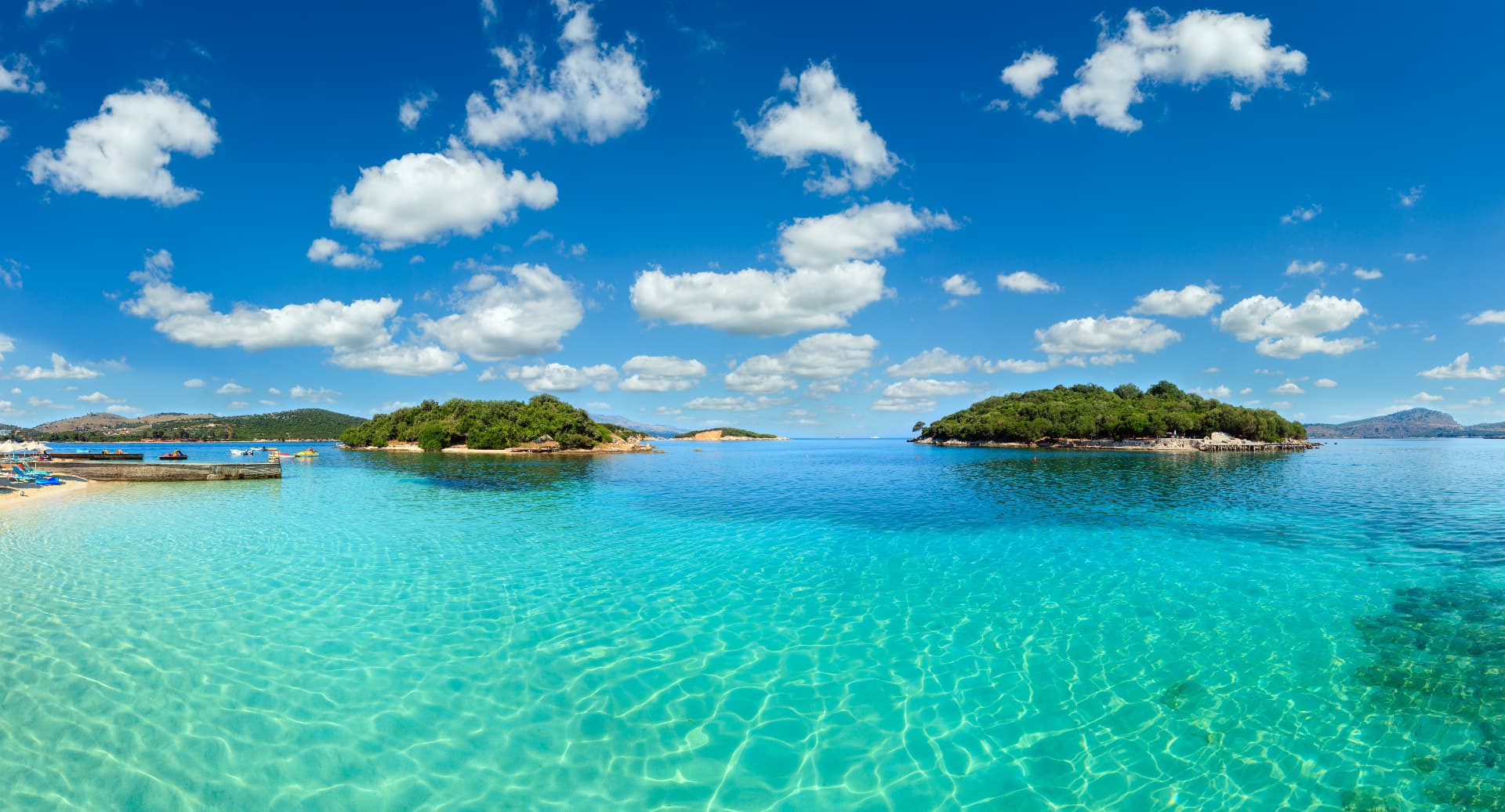
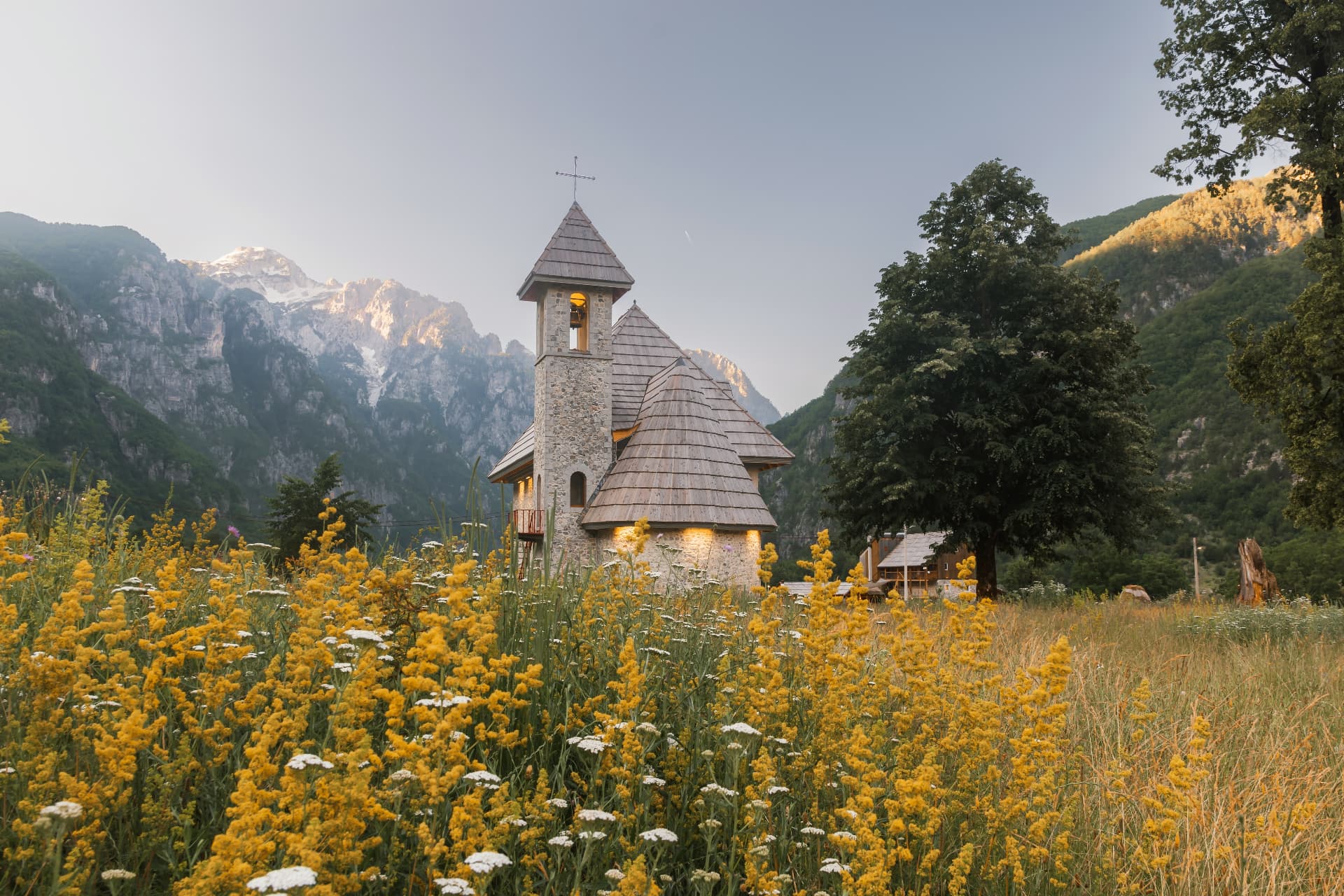
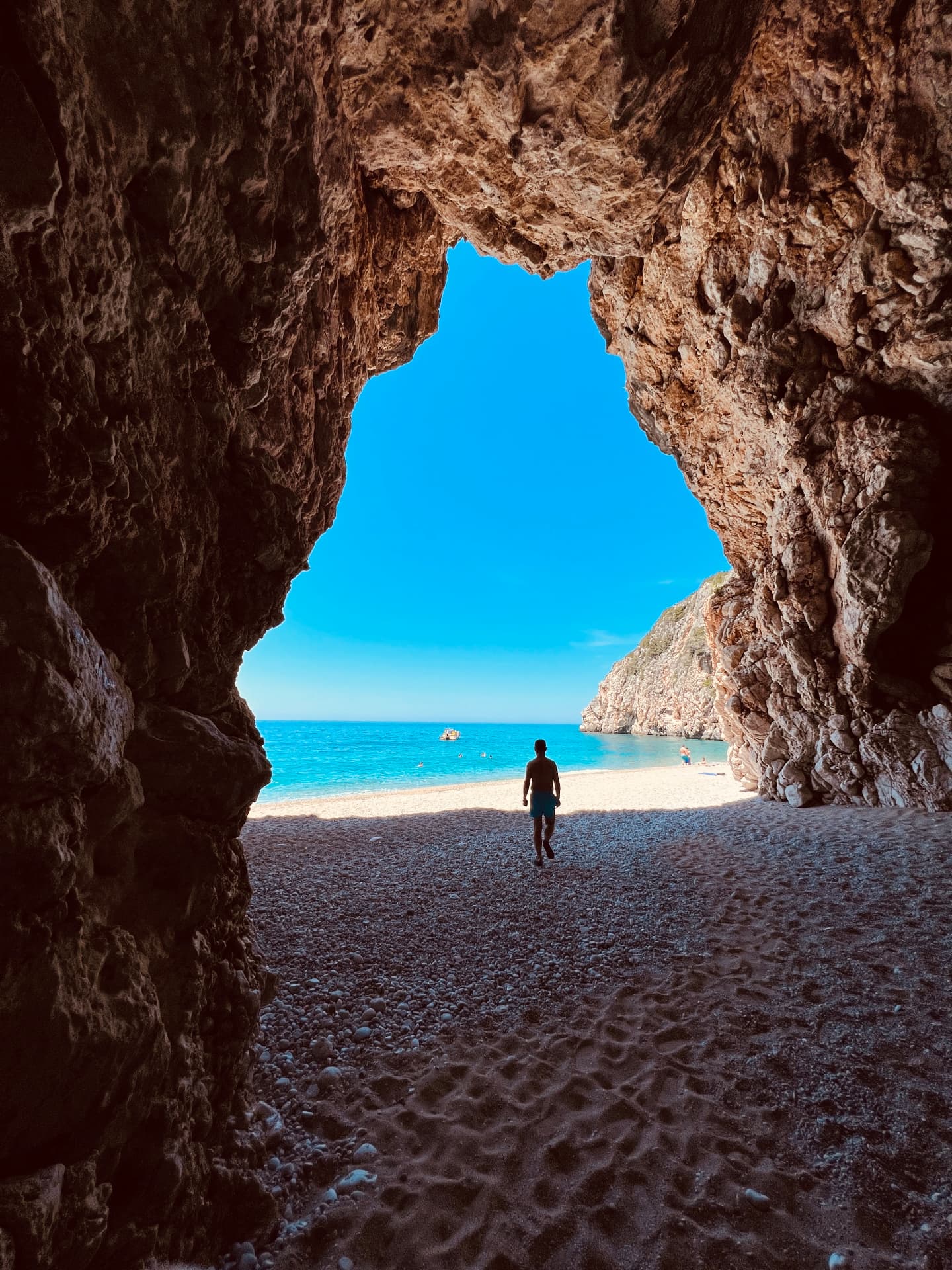
Summer is ideal for the Albanian Riviera, swimming and boat experiences, although July and August are also the hottest and busiest months. The Albanian Alps have a shorter hiking season than the coast, and conditions at altitude can change quickly. Always check the expected conditions for the specific regions included in your journey shortly before departure.
6. What to Pack
What you need will depend on your season and itinerary, but comfortable clothing and footwear are important for almost every trip. For general touring, we recommend bringing comfortable walking shoes, sun protection, a reusable water bottle and a light layer for evenings.
For mountain or hiking itineraries, bring suitable hiking footwear and layers appropriate for changing weather. For Riviera itineraries, don't forget swimwear, sun protection and comfortable footwear for beaches and coastal towns. If your itinerary includes a particular outdoor activity, we'll let you know about any specific equipment or clothing you should bring.
7. Mobile Phones, Internet & Wi-Fi
Wi-Fi is widely available in hotels and many restaurants and cafés. Mobile coverage is generally good in populated areas, although reception can be weaker in remote mountain regions.
International roaming costs depend on your mobile provider. A local SIM or eSIM can be a convenient option if you expect to use mobile data frequently during your trip. If you're travelling across several Balkan countries, check whether your chosen SIM/eSIM includes all destinations on your itinerary.
8. Electricity
Albania uses the standard European electrical system. Sockets generally use Type C and Type F plugs, with a supply of approximately 230V / 50Hz. Travellers from countries using different plugs should bring a suitable European travel adapter.
9. Language
The official language is Albanian. English is widely spoken in the tourism industry and is increasingly common among younger Albanians, particularly in Tirana and popular destinations. In smaller villages and rural areas, English may be less widely spoken — which is also where travelling with a local guide can add another dimension to the experience. A few Albanian words are always appreciated:
Përshëndetje — Hello
Faleminderit — Thank you
Ju lutem — Please / You're welcome
Po — Yes
Jo — No
10. Food & Dietary Requirements
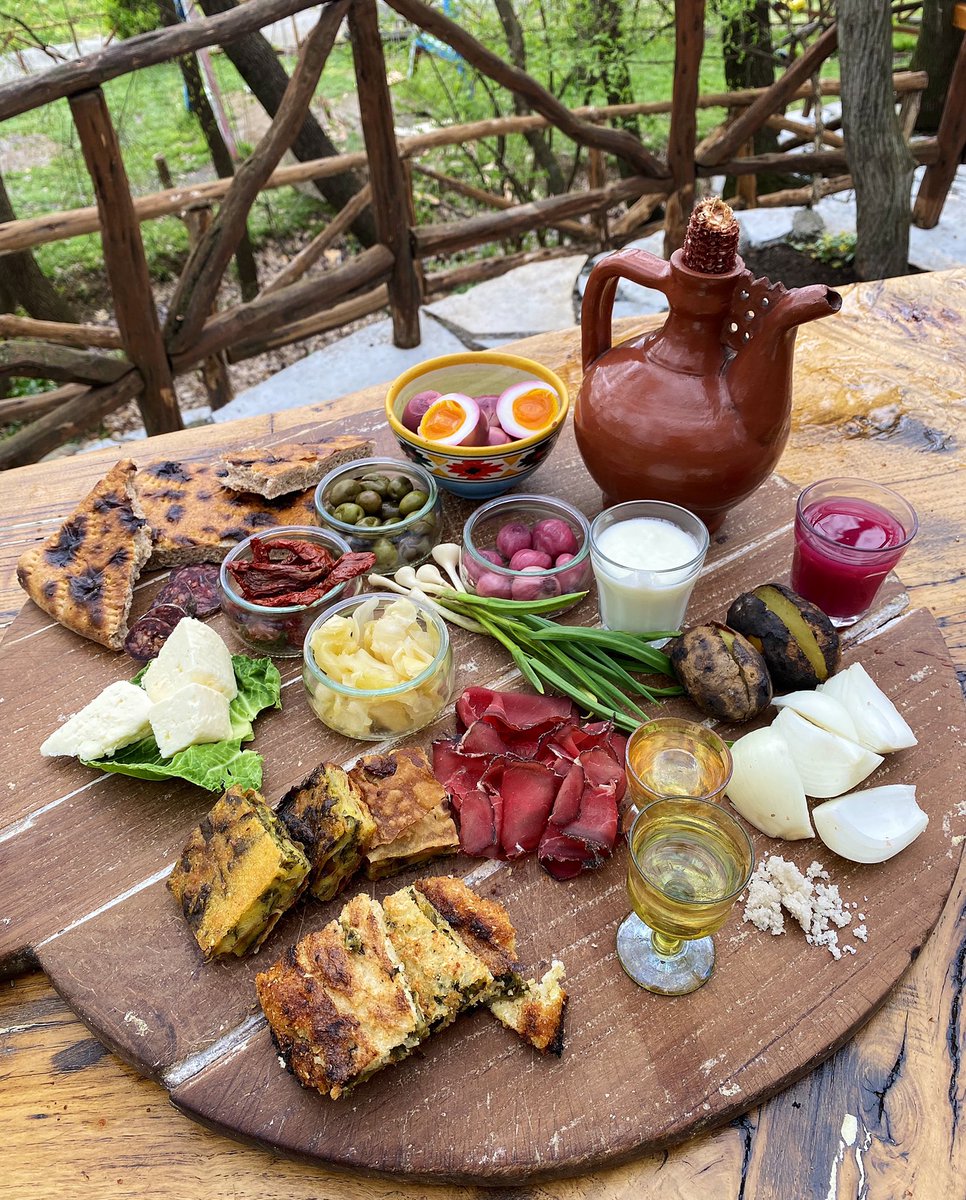
Albanian cuisine reflects Mediterranean and Balkan influences, with strong regional traditions and an emphasis on seasonal ingredients. Expect plenty of vegetables, salads, cheese, bread, olive oil, meat, fish and seafood along the coast, as well as regional dishes and homemade products in rural areas. One of the pleasures of travelling through Albania is eating in family-run restaurants, traditional guesthouses, agritourism farms and local homes.
Vegetarian and other dietary requirements can usually be accommodated with advance notice. If you are travelling with Up Albania and have an allergy, intolerance or specific dietary requirement, please tell us before your trip so we can communicate it to the relevant suppliers.
11. Tipping
Tipping in Albania is appreciated for good service but is generally less formal than in some other countries. In restaurants and cafés, travellers often round up the bill or leave a modest tip when they are happy with the service. Tips for guides and drivers are also appreciated when you feel you have received excellent service, but they are discretionary.
12. Local Culture & Etiquette
Albanians are known for hospitality, and visitors are often welcomed warmly, particularly in smaller communities. When visiting religious sites, villages or private homes, respectful clothing and behaviour are appreciated. Always ask permission before taking close-up photographs of local people, particularly in rural communities. Learning a few Albanian words, trying local food and supporting locally owned businesses are simple ways to connect more meaningfully with the places you visit.
13. Safety & Emergency Assistance
Albania is a welcoming destination for international travellers, but normal travel precautions still apply. Keep personal belongings secure, take appropriate care when driving or participating in outdoor activities, and follow local guidance in mountain, river and coastal environments.
For emergencies in Albania, the general European-style emergency number is 112. Albania's National Tourism Agency also lists 129 for police, 127 for medical assistance and 128 for fire services. Travellers on an Up Albania trip will also receive appropriate contact information for assistance during their journey.
14. Travelling Beyond Albania
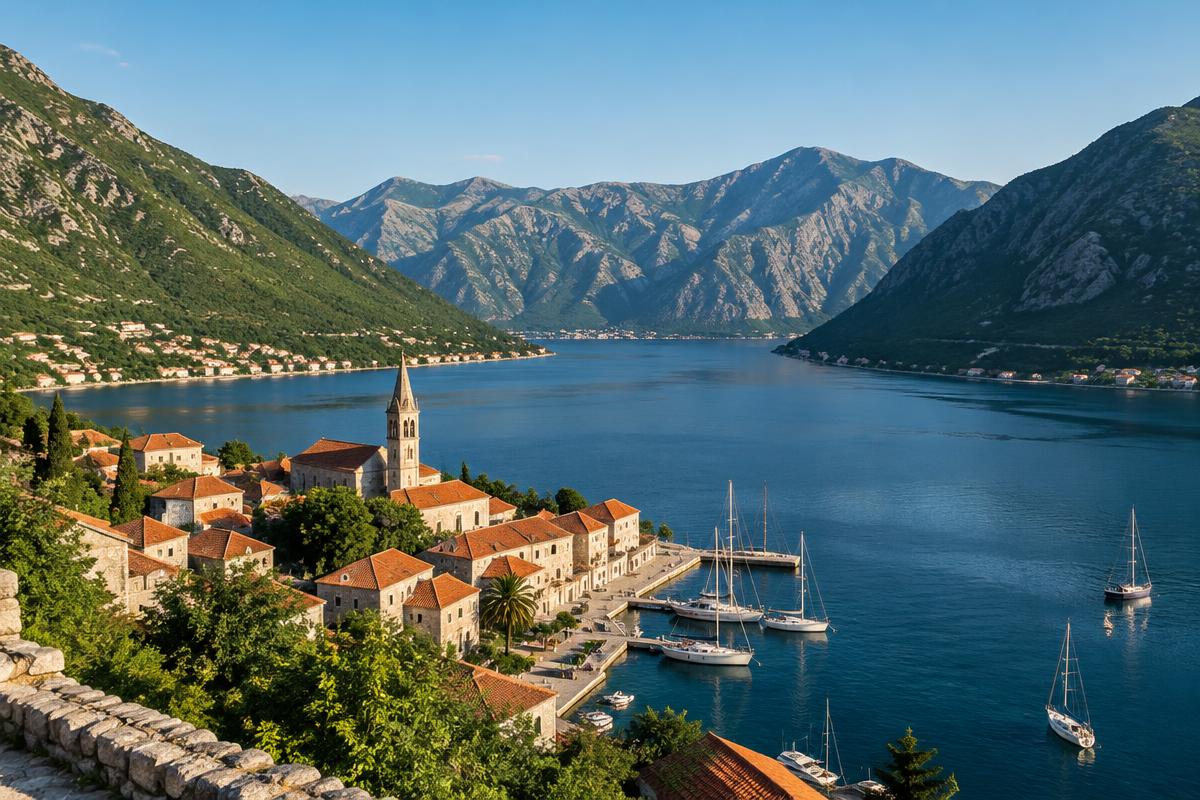
Many journeys through Albania combine naturally with neighbouring destinations.
- Montenegro combines particularly well with northern Albania and the Albanian Alps.
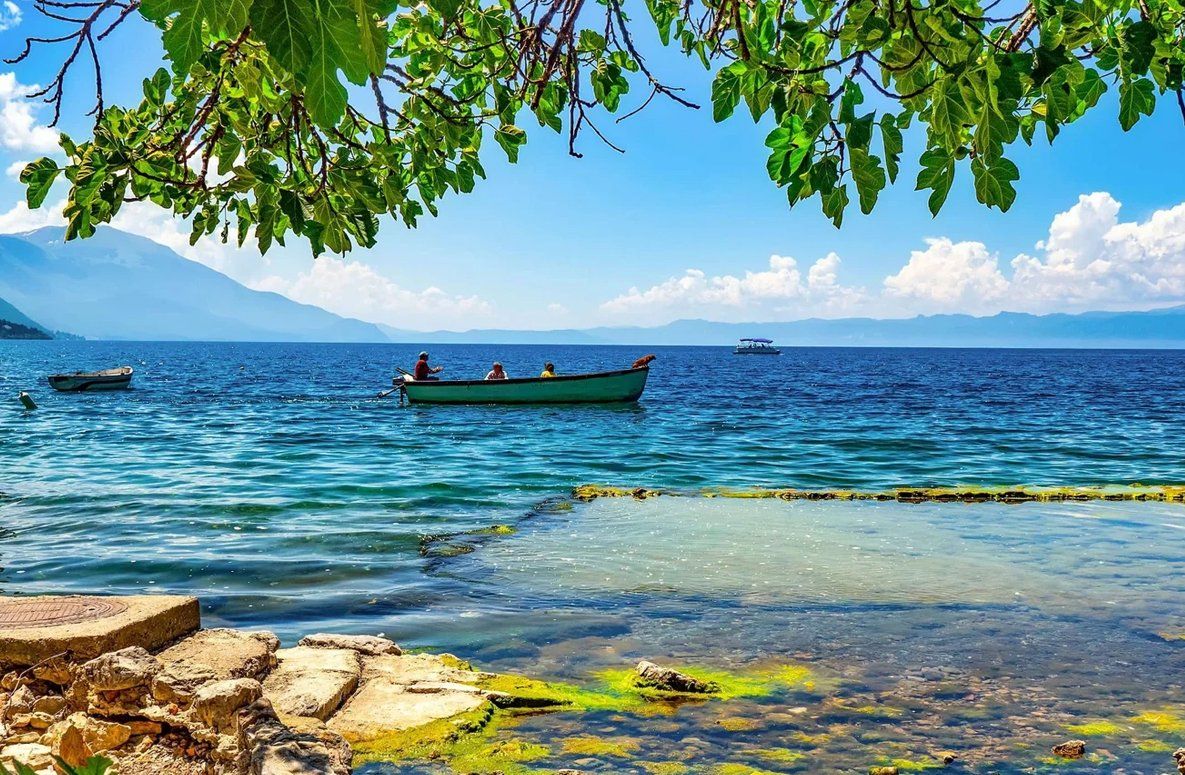
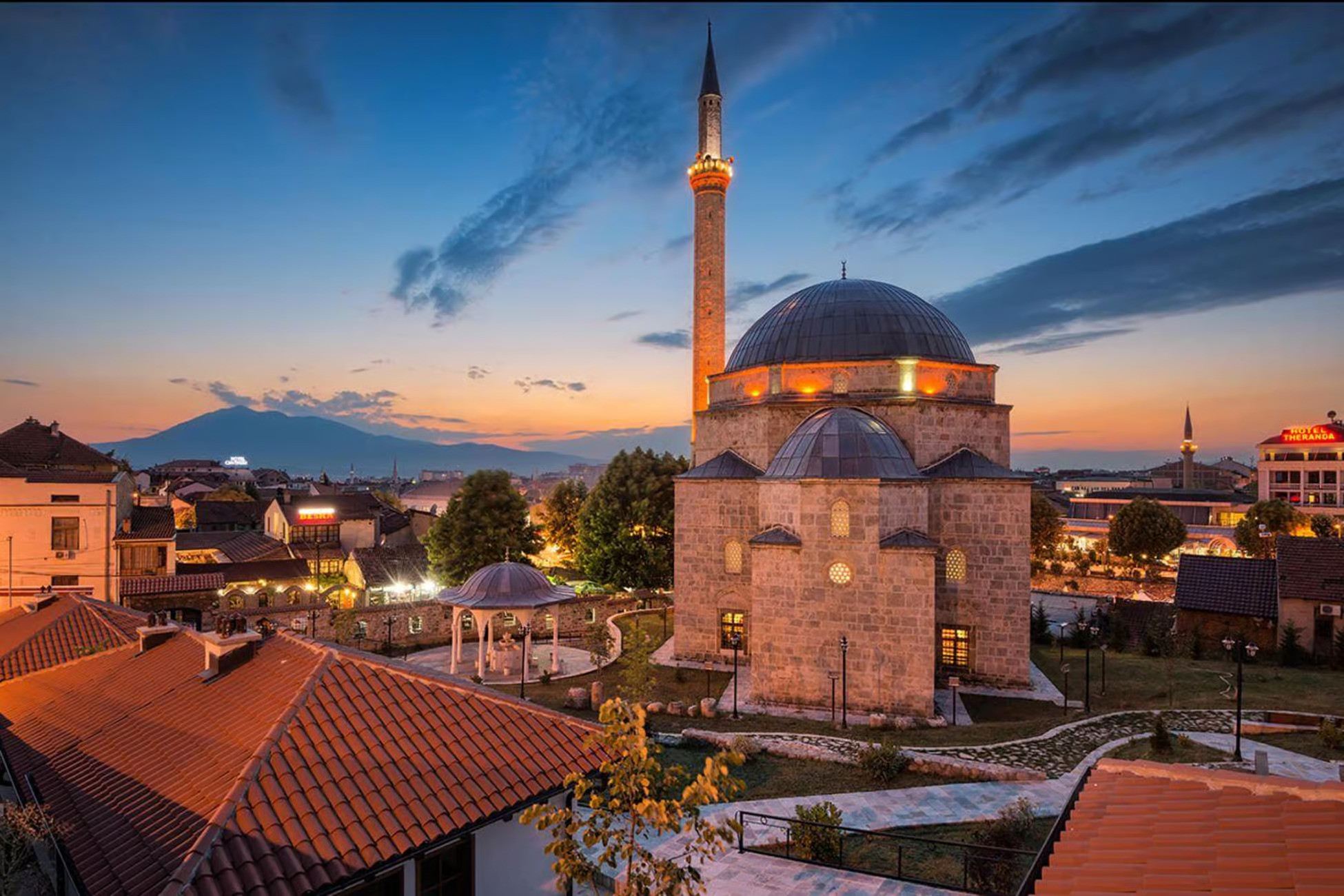
- Kosovo and North Macedonia can be incorporated into overland Balkan routes.
- Corfu and Northern Greece connect naturally with southern Albania.
- Longer regional journeys can also include Serbia and Southern Italy.
Border procedures, currencies, mobile roaming rules and entry requirements may differ between countries, so check the requirements for every destination included in your itinerary.
For an organised multi-country Up Albania journey, we'll provide practical information relevant to your specific route before departure.
15. Travel Responsibly
The places we visit are also people's homes. We encourage travellers to support local businesses, respect cultural traditions, minimise waste, protect natural areas and approach local communities with curiosity and respect. You can learn more about how we work with local communities and partners on our Sustainability & Responsible Travel page.
16. Before You Travel
Every journey is different. Before departure, travellers booking with Up Albania receive the specific practical information relevant to their itinerary, including meeting arrangements and any important information relating to the destinations and activities included.
For questions about Up Albania tours and how they work, visit our FAQs.
For information concerning bookings, payments, cancellations, itinerary changes and traveller responsibilities, please see our Terms & Conditions.